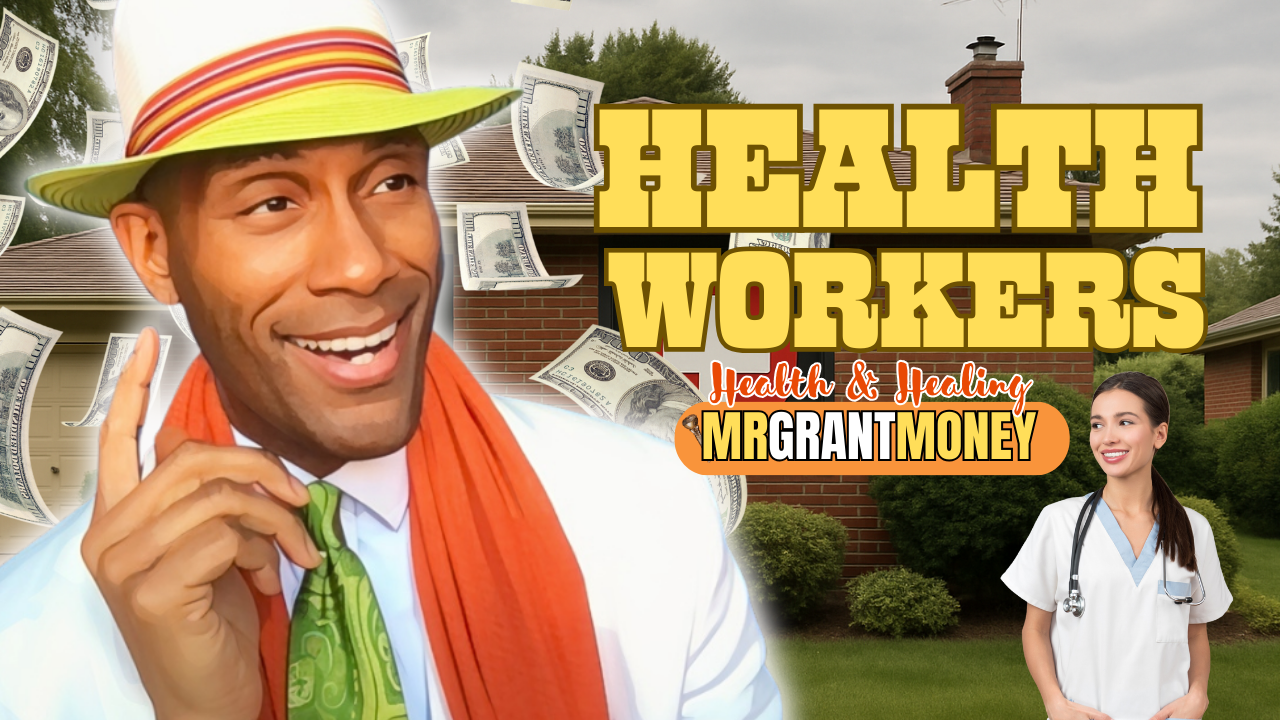
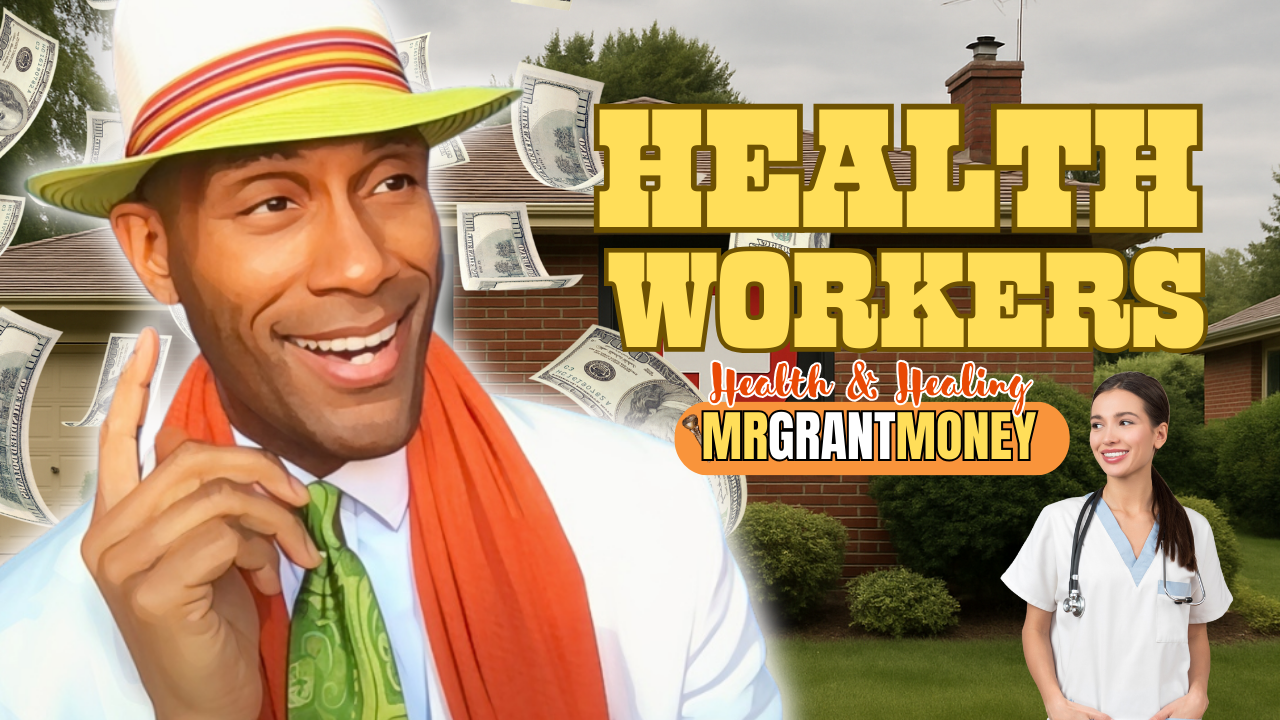
The Nurse Next Door: Mr. Grant Money & the Neighborhood Health Workers of Milwaukee
 Mon, Sept 22
“Block to Block: Building Milwaukee’s Neighborhood Health Infrastructure from the Inside Out”
⚡ The Paradox That Saved a Life
At 2:17 a.m., a man collapsed on a Milwaukee sidewalk.
He lived—not because an ambulance came in time, but because his neighbor, a community health worker (CHW), carried Narcan in a diaper bag. She was trained. She was trusted. She was the system that showed up when the formal one didn’t.
Proximity is policy. And the nurse next door? She’s not a backup plan—she’s the blueprint.
🏘️ The Frontline You Never See on the News
Milwaukee’s health gap is a chasm. In some ZIP codes, life expectancy drops 12 years in five miles. People aren’t neglecting care—they’re navigating systems designed to neglect them.
That’s where Carehood Collective stepped in:
-
Diabetics missing meds? They checked in.
-
Teens grieving in silence? They listened.
-
Discharge paperwork too technical? They translated.
-
Panic attacks in living rooms? They held space.
No clinic. No degree. Just community-rooted capacity. And no one noticed—until someone did.
🕶️ The Strategist Who Sees Streets as Systems
Mr. Grant Money wasn’t looking for nonprofits. He was looking for infrastructure hiding in plain sight.
He skipped boardrooms. He knocked on doors. He sat in barbershops and listened.
Everywhere he went, he asked:
“Who helps you when no one else does?”
The answer wasn’t the hospital.
It was Marsha on 22nd. Coach Darnell. Destiny at the corner store.
That’s when he knew:
This is Milwaukee’s public health system. It just hasn’t been funded yet.
🧠 Blueprints, Beats & Budget Codes
The Grant Pitch? A mixtape.
No skips. All truth. Here’s how it hit:
📊 The Data:
-
Milwaukee’s CHW density = ½ the national average
-
ER visits for preventable conditions = 3x higher in Black and Latine neighborhoods
-
91% of CHW clients trusted them more than their primary care provider
-
72% hadn’t seen a doctor in 18+ months—until they met a CHW
🧱 The Framework:
-
85 paid CHW positions embedded in neighborhoods
-
Training in mental health, chronic illness, and crisis de-escalation
-
CHWs supported with stipends, trauma-informed coaching, and career pathways
Proposal Title:
“Block to Block: Building Milwaukee’s Neighborhood Health Infrastructure from the Inside Out”
Lead Quote (from CHW Destiny):
“We’re not outreach—we are the reach.”
💸 The Grant Flood
The funding came fast and deep:
-
$850K from the MACC Fund (pivoting from pediatric care to holistic family wellness)
🚪 What It Built
-
🧑⚕️ 85 salaried CHWs covering Milwaukee’s hardest-hit ZIP codes
-
🏫 A CHW Training Center inside a converted high school gym
-
🚶🏽♀️ Monthly “Wellness Walks” and block-based healing events
-
📱 A Crisis Text Line—real-time triage by CHWs (no hold music, no scripts)
-
📲 Carehood App – a hyperlocal map of who’s helping where, built “Uber meets urgent care” style
Early Wins:
-
7,400+ community care interactions logged
-
450+ emergency de-escalations
-
Zero hospitalizations among CHW clients in the first 6 months
And Destiny?
She’s now training the next generation. She says:
“You don’t need a badge. You need a block.”
💡 Mr. Grant Money’s Porchside Playbook
Lessons from the South Side streets to your next grant proposal:
-
Start with people, not programs.
Health starts at home—so should funding. -
Pay the healers.
Volunteers burn out. Professionals build futures. -
Proximity = policy.
If your grant can’t reach the porch, it won’t reach the heart. -
Map it like infrastructure.
Roads, power lines, CHWs—they all keep cities alive. Fund them the same. -
Name the brilliance.
Don’t call it outreach. Call it neighborhood health equity infrastructure.
And make your funders say it out loud.
🧠 Discussion Questions
-
What makes community health workers more effective than traditional outreach in underserved areas?
-
How can funders better recognize and support “unofficial” care networks already embedded in communities?
-
What are the risks of not compensating and training the healers already doing this work?
-
How might other cities replicate the Carehood model while keeping it culturally grounded?
-
What would “care next door” look like on your block?
🔓 UNLOCK EXCLUSIVE TIPS WITH MR. GRANT MONEY!
We hate SPAM. We will never sell your information, for any reason.