The Rain Tank Revolution: Mr. Grant Money & the Clean Water Women of Guatemala
 Wed, Sept 3
“¡Corre!”
The rain came fast. The women moved faster.
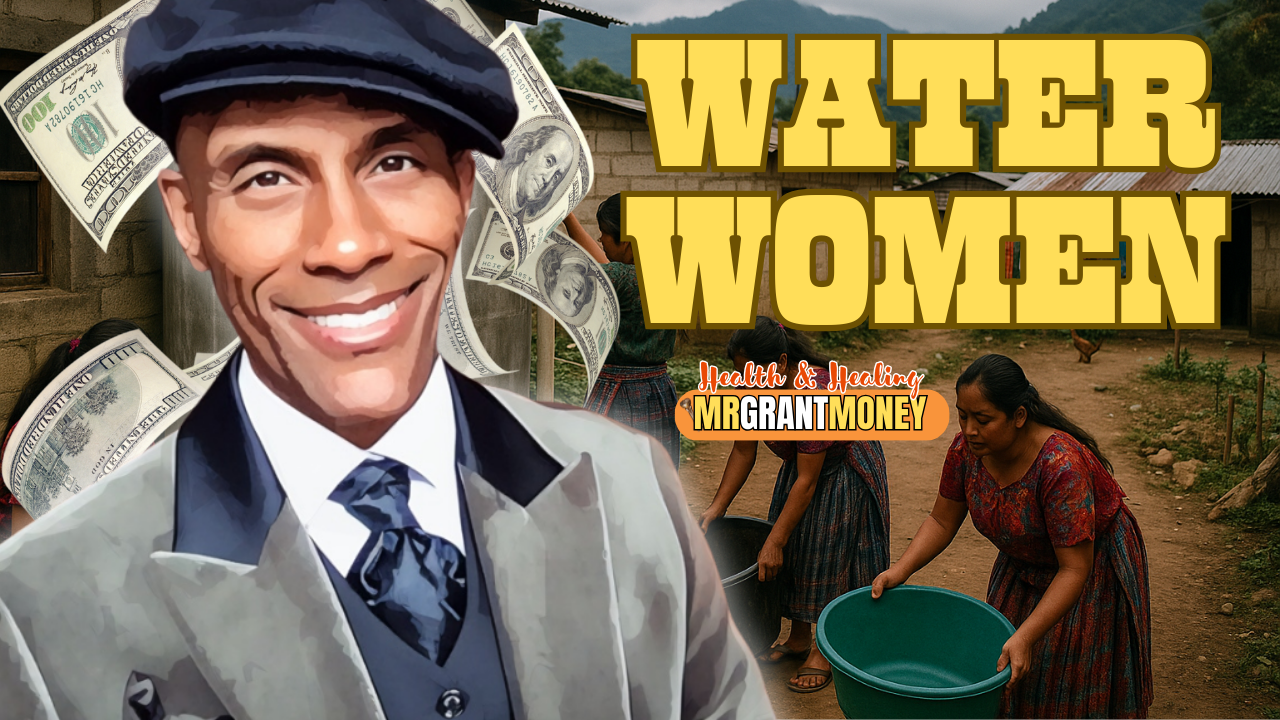
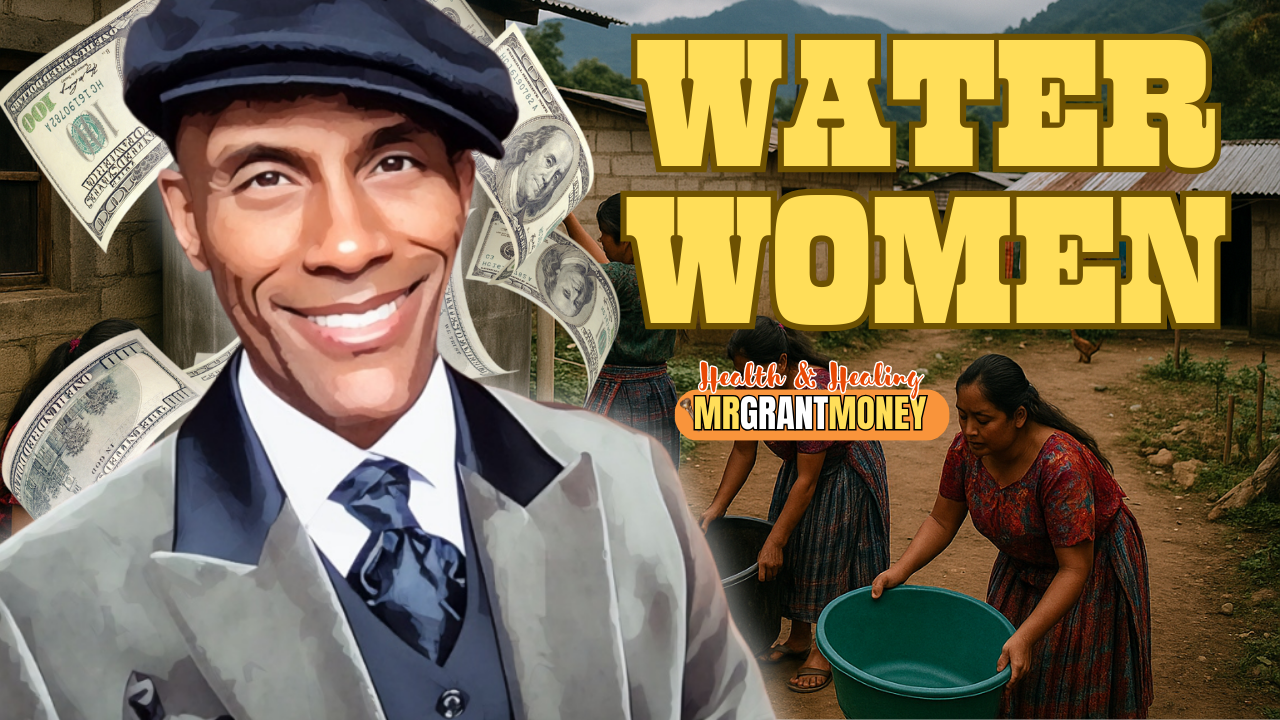
In Santa Lucía Cotzumalguapa, rain isn’t weather—it’s infrastructure. And for generations, Guatemalan women have been trying to catch every drop.
But when climate change shifted the skies, and disease followed the runoff, a movement emerged: part public health, part survival strategy, part entrepreneurship. The solution?
Not bottled water. Not charity.
Rain tanks. Built by women. Powered by trust.
💧 The Problem: Every Drop Was a Gamble
In the southern Guatemalan highlands:
-
Droughts were longer
-
Rains were harder
-
Cisterns were cracked
-
Waterborne illness was rising
Kids were missing school. Families were rationing. And no one could rely on tap or tanker.
This wasn’t just about access. It was about dignity, health, and climate resilience.
🛠️ The Women Who Turned Rain Into Infrastructure
It started with María, a midwife and mother of five.
Alongside her:
-
Doña Esperanza, a nurse who’d studied health models across Central America
-
The Asociación de Mujeres por el Agua, a local women’s water cooperative
-
Two engineers—farmers’ daughters—who returned home with CAD skills and shovels
Their idea?
Modular rain tanks that:
-
Served 5–10 families each
-
Used elevated filtration and gutter-based collection
-
Were designed, built, and maintained by women
-
Included community health education and employment
It wasn’t charity. It was sovereignty—harvested.
🎩 When Mr. Grant Money Touched Down
A donor whispered:
“There’s something radical happening in Guatemala. No nonprofits. All mujeres. You’ll love it.”
They were right.
I landed mid-delivery, surrounded by wheelbarrows, chalk lines, and courage. These women weren’t building tanks.
They were building infrastructure, equity, and employment—all at once.
So we turned their vision into a fundable revolution.
🧠 Turning Water Into Capital
We built the pitch on three grant magnets:
1. Health Equity
-
Waterborne illness ↓ 62% in pilot homes
-
School attendance ↑ by 40%
-
Health workers looped into tank training
2. Climate Resilience
-
Catchment maps
-
Gutter-to-filter-to-tank flows
-
Emergency water redundancy in case of floods or droughts
3. Women-Led Infrastructure
-
80% of roles filled by trained local women
-
Salaries, not stipends
-
New apprenticeship track for young girls
🗂 Where We Pitched
We targeted:
-
USAID Guatemala – Clean Water for Health
-
The Global Fund for Women – Women & Climate Innovation
-
The World Bank – Resilient Infrastructure for Rural Communities
-
The Coca-Cola Foundation – Water Stewardship
And we included a bilingual video pitch where María closed with:
“We don’t need pity. We need tools. And partners who don’t flinch when women lead.”
💥 The Results Poured In
-
$3.9M USD secured
-
250+ rain tanks installed across three municipalities
-
Clinic visits dropped by 62%
-
35 women certified in tank design, hygiene training, and mobile education
-
One rural school rewrote its science curriculum to include water stewardship
And María?
She’s now consulting with Mayan networks to scale the model—across watersheds, across generations.
“We’ve always been water keepers,” she told me.
“Now we’re water strategists.”
🧭 The Grant Money Takeaways: Guatemala Edition
Here’s what this storm taught me:
-
Simplicity ≠ Small
A rain tank is basic—but it can change health, income, gender norms, and public policy. -
Fund women as architects, not volunteers
This wasn’t “female empowerment.” It was engineering with earrings. -
Start with water, end with wellness
Every clean bucket delayed a hospital visit. -
Climate justice = community health
Don’t separate grant categories. Fund the intersection. -
Pitch the hustle, not the hardship
Their power wasn’t in the problem—it was in the plan.
💬 Discussion Questions
-
How does clean water access change lives—especially for women and children?
-
What does it mean to fund local solutions instead of importing them?
-
Who in your community is solving problems quietly—without funding? Can you lift them up?
-
What invisible issue (like water) might be blocking progress in health, school, or work?
-
If you had $50,000 for a women-led public health project—who would lead it, and what would you build?
🔓 UNLOCK EXCLUSIVE TIPS WITH MR. GRANT MONEY!
We hate SPAM. We will never sell your information, for any reason.