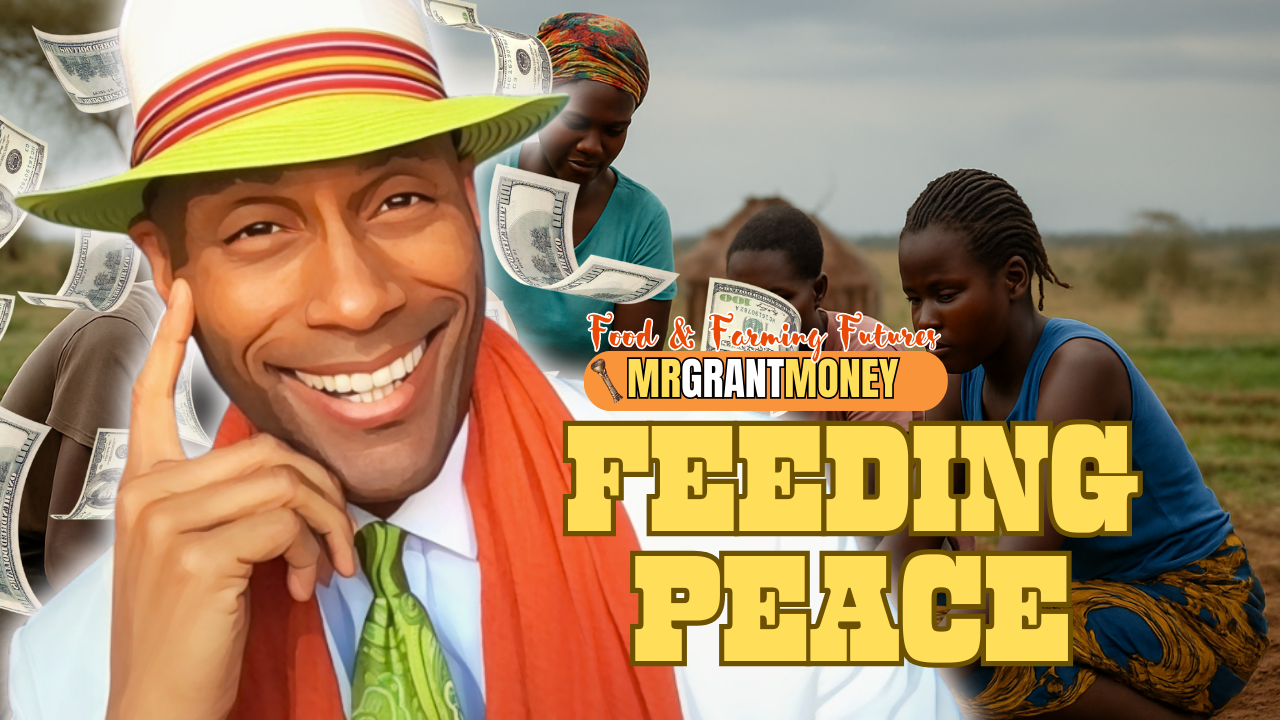
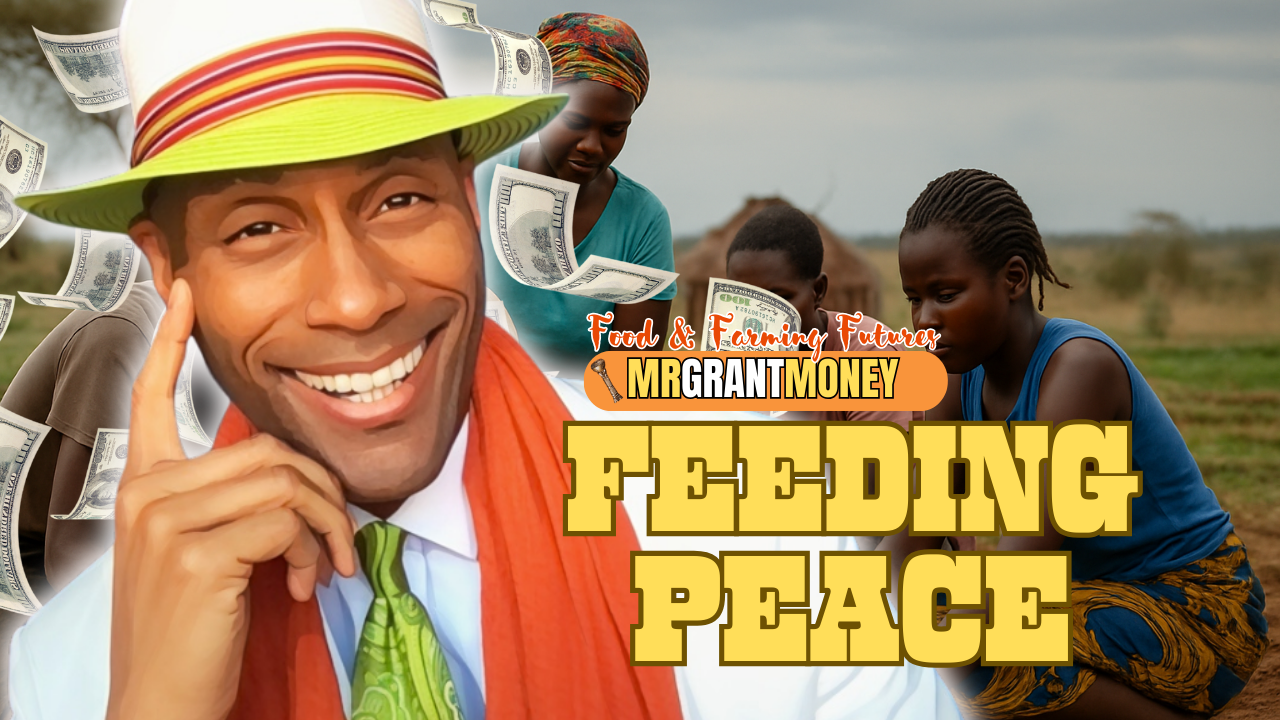
Feeding Peace: Mr. Grant Money & the Youth Garden Initiative in South Sudan
 Wed, Nov 26
It felt like déjà vu. The same parched land. The same smoke on the horizon. The same ache in his stomach.
But this time, seventeen-year-old Garang wasn’t running from the conflict. He was planting a future.
It had been five years since his village was emptied by civil war, five years since he last saw his brother, five years since his mother buried their seed stash under a clay pot and said, “One day, you’ll need this more than money.”
Today, he dug into that same soil, now cracked but waiting. Not for bullets. For beans.
In South Sudan, where peace agreements flicker like candlelight and youth have grown up knowing more about hunger than harvest, the act of planting is revolutionary. And what Garang and his peers are building isn’t just a garden. It’s a peace process—with roots.
Soil That Remembers War
To understand the power of the Youth Garden Initiative, you have to understand what’s been lost.
South Sudan has endured decades of colonial resource extraction, post-independence instability, and cyclical civil war. The fallout has been devastating—over 60% of the population faces food insecurity. Farming communities were decimated, seed banks destroyed, knowledge systems disrupted.
Families were uprooted not just from homes but from the memory of self-reliance. In rural Jonglei, Upper Nile, and parts of Central Equatoria, entire generations have come of age dependent on imported grain or WFP food rations. Try teaching a teenager about mulching when his last “meal” came in a silver vacuum-sealed pouch.
Yet underneath the trauma, something stubborn has survived: a hunger for restoration.
The Woman Who Turned Memory into Movement
Mama Nyaboth was tired of funerals. Tired of watching young people spiral into alcoholism, anger, and hopelessness. Tired of seeing fertile land left fallow while imported flour molded in metal containers.
So, she gathered the youth—not in a classroom, but under the acacia tree that had once shaded her father’s millet field. She brought a few old tools, a clay pot of seeds, and her voice.
“If the ground can forgive what we did to it,” she said, “maybe we can forgive ourselves.”
That first meeting planted more than crops. It seeded a movement. Garang was there. So was Ajak, a girl orphaned by the war, now the lead grower. So was Deng, who hadn’t smiled in months until the tomatoes he planted started to fruit.
The Youth Garden Initiative wasn’t founded by a development agency. It was built by survivors who decided to reclaim the land and their future at the same time—through entrepreneurship, healing, and the soil itself.
Enter Mr. Grant Money, Red Soil Under Boots
When I landed in Juba, I didn’t come with answers—I came with questions and a tablet full of potential funding streams. I’d heard whispers of the initiative from a colleague at an ag innovation forum in Nairobi. “You want to see food justice in its rawest form?” they’d said. “Go to Juba.”
So I went.
What I found was beyond any proposal template. There were rows of spinach and amaranth tended by hands that had once held rifles. Compost bins made from woven reed baskets. Rainwater harvesters made of rusted oil drums. A schoolteacher-turned-agronomist running workshops on soil regeneration with chalkboard scraps and fierce hope.
Their entire startup budget? $84. A hoe, three watering cans, and a community’s willpower.
But what they needed now wasn’t just better tools—they needed infrastructure, curriculum, and credibility. They were ready to scale. They just needed someone to help them speak funder.
Writing a Proposal That Grew Like a Revolution
We didn’t pitch this as a “community garden.” We pitched it as a peace economy accelerator.
We anchored the narrative in trauma-informed agriculture—showing how restoring agency through land work improved not just diets, but mental health, community trust, and social cohesion.
We leaned into outcomes:
-
Improved food access for over 1,000 people across five counties
-
46 former combatants trained in agroecology
-
A 73% reduction in youth unemployment in participating villages
-
Girls gaining access to land, tools, and decision-making for the first time
-
A 90% retention rate in youth-led market gardens supported by peer mentors
We connected it to funding categories that funders often forget are interlinked:
-
Peacebuilding and post-conflict recovery
-
Climate-smart agriculture
-
Youth economic empowerment
-
Food systems innovation
-
Gender equity in land access
And we layered every grant narrative with raw stories: Ajak’s first harvest sold at market. Deng’s goat bought from compost profits. The grandmother who finally tasted fresh groundnuts again after 20 years.
We titled it:
"Feeding Peace: Reclaiming Land, Healing Youth, Growing Sovereignty in South Sudan."
When the Money Rained, the Roots Ran Deep
We secured a $600K grant from the UN Peacebuilding Fund. A South African food sovereignty coalition chipped in $120K for training and irrigation systems. The African Development Bank offered technical support for post-conflict agripreneurship. And a U.S.-based trauma-informed farming org flew in to train peer counselors.
With those funds, the Youth Garden Initiative expanded across seven counties. They built:
-
A regional seed library with over 50 indigenous varieties, including gumbo, hibiscus, and drought-resistant cowpeas
-
Three solar-powered ag-tech training centers
-
A microloan program for youth-led market gardens and food stalls
-
A traveling harvest festival that moved between conflict-affected areas offering food, music, and unity
But the most powerful transformation? Trust.
Communities that once fought now traded seedlings. Ex-combatants and former refugees tended the same land. Girls built savings accounts off crops they’d grown. And every garden that bloomed became a quiet declaration: We are still here.
Mr. Grant Money’s South Sudan Harvest Notes
From the trenches of food, trauma, and renewal, here’s what I want every grant-seeker, funder, and food warrior to remember:
🪴 “Don’t underestimate the grant categories funders overlook.”
Peacebuilding funds can grow gardens. Climate funds can heal trauma. Learn how to connect your story across sectors.
🧠 “Lived experience isn't a liability—it's the core deliverable.”
Let youth speak in their own words. It’s not about packaging pain; it’s about planting purpose.
💸 “Infrastructure isn't just roads and schools. It's seed libraries, water tanks, and youth-run compost hubs.”
Frame your asks in language that shows systems thinking, not charity.
🌧️ “Rain is unpredictable. Your funding shouldn't be.”
Build for long-term sustainability—blended grants, earned revenue, community ownership.
🌍 “Farming isn’t just food. In places like South Sudan, it’s memory. It’s movement. It’s medicine.”
💬 Discussion Questions
- What does “peace infrastructure” look like where you live—and how can it include food?
- How can trauma-informed agriculture shift how we support youth post-crisis?
- Where are young people growing revolutions—without anyone funding them yet?
- How do we challenge funders to redefine what counts as impact?
- What would change if every conflict recovery budget started with seeds?
🔓 UNLOCK EXCLUSIVE TIPS WITH MR. GRANT MONEY!
We hate SPAM. We will never sell your information, for any reason.